
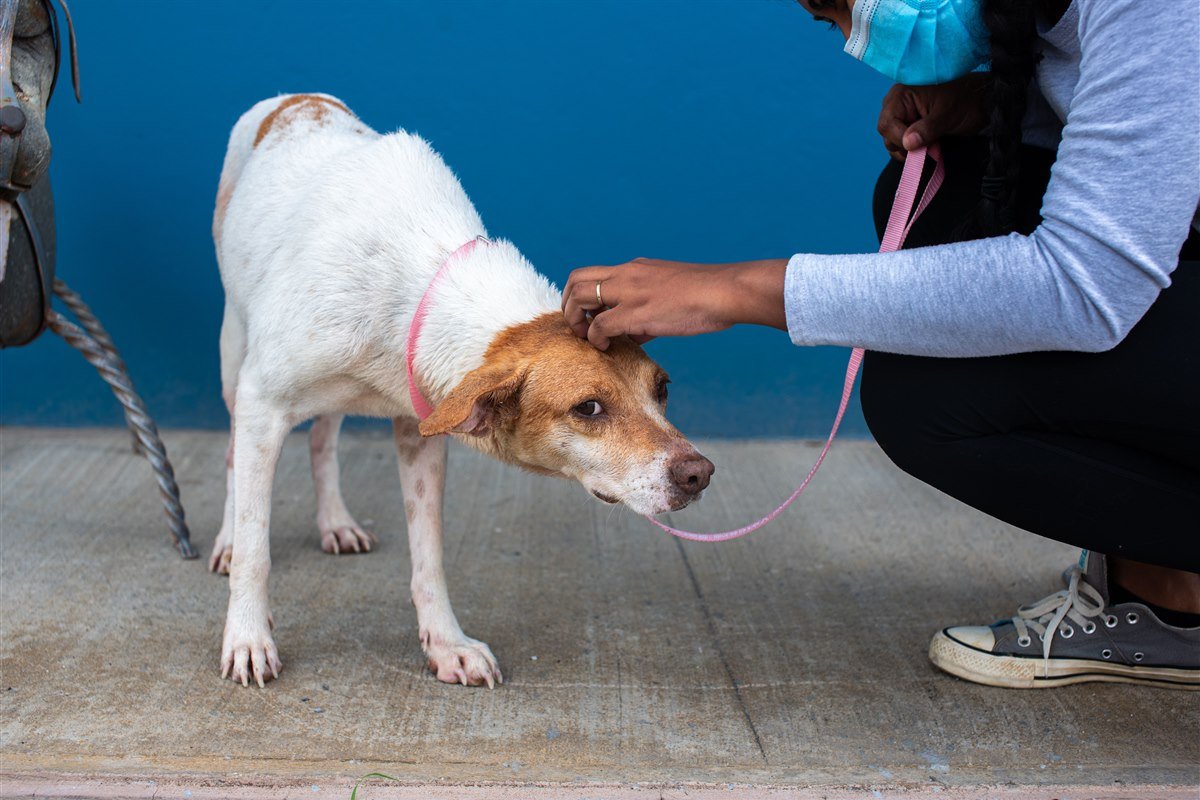
When I first arrived in Morocco, I was not prepared for what I saw. In the medinas and on busy streets, dogs navigate a world shaped around people, traffic, and uncertainty.
What street life means
Food is only one part of the challenge. Street dogs may face vehicle injuries, heat and cold, parasites, untreated wounds, and a lack of safe places to rest. A dog who seems wary may simply have learned to be cautious.
- Traffic and injuries can turn an ordinary day into an emergency.
- Illness may go unnoticed until a dog is severely unwell.
- Reliable food, water, and shelter are never guaranteed.
- Community attitudes affect whether a dog receives help.
Statistics alone cannot describe an individual dog's fear, resilience, or need for care. Each case begins with noticing the animal in front of us and responding safely.
A more humane response
Responsible rescue requires local knowledge, veterinary assessment, safe handling, foster capacity, and a plan for long-term welfare. It is rarely one dramatic moment. Much of the work is follow-up: medicine on time, a quiet place to recover, and patient socialization.
Stories about dogs such as Amina and Fatima show how coordinated care can help. Each published cost and outcome relates to an individual case and does not predict future results.
Street dogs do not choose their circumstances. We can choose how we respond.
How you can help
Support can take many forms. Share responsible information, help a verified local caregiver, consider fostering or adoption when you are ready, or contribute to documented medical care. If you encounter an injured dog, contact a local veterinarian or rescue group rather than approaching in a way that might put you or the dog at risk.
For more detail about how Paw Lifeline documents individual cases, see the featured rescue stories and our mission.