Paw Lifeline Morocco rescue trip in the field

Across Morocco

Every trip begins with a clear purpose.

Follow three volunteer rescue trips from the first plan through field care, foster placement, adoption, and follow-up.

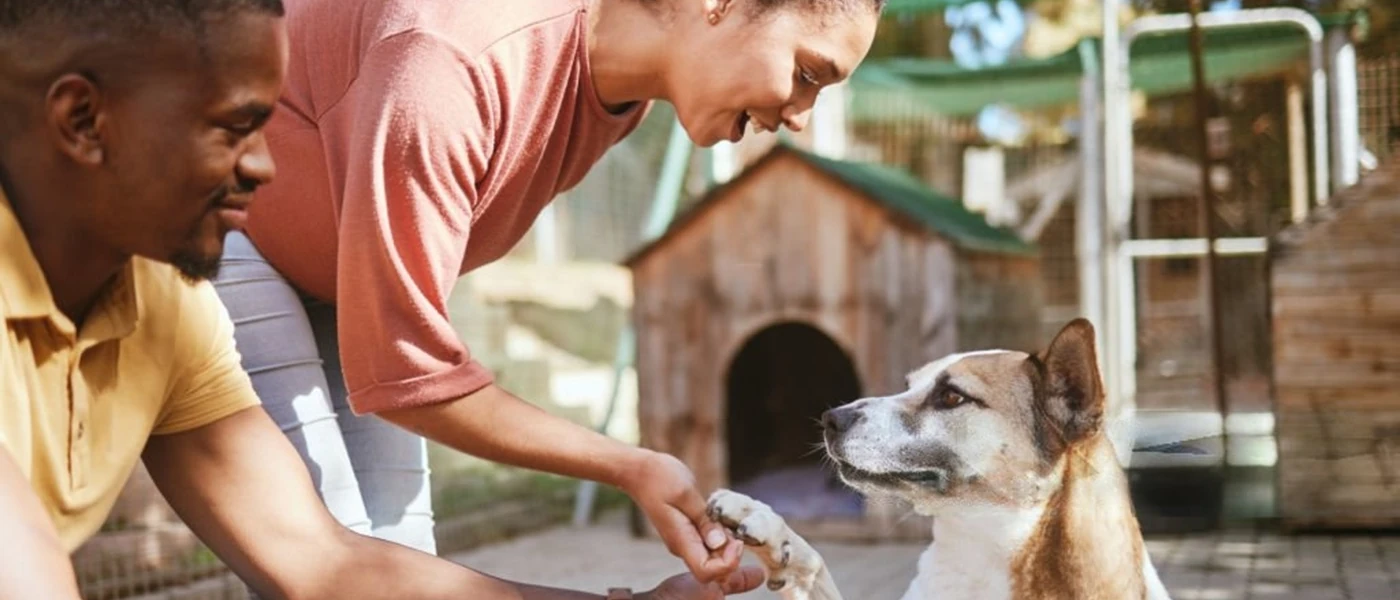
Rescue volunteer supporting a dog during a field trip
Care and outreach in the field

Volunteer trip reports

From the plan to the follow-up.

Each report follows the same four-part record: why the team went, how it prepared, what happened on the ground, and where the dogs are now.

Each account follows the team’s purpose, preparation, field work, and follow-up.

How to read a report

Four stages. One clear account.

Open each stage below to follow the work from first need to lasting care.

01 Purpose02 Preparation03 Field work04 Follow-up

Field reports · 2024

The work behind every rescue.

Three journeys across Marrakech, the Fez mountains, and Casablanca.

01 / Marrakech · September 1–7, 2024

Urban Rescue in Motion: 7 Dogs Saved in Marrakech

Seven days in the medina brought medical care and a path to safety for seven rescued dogs, with three puppies born during the trip.

7-day street rescue8 international + 4 local volunteers7 dogs rescued3 puppies born
01PurposeWhy the trip happened

The team organized a Marrakech medina rescue after identifying dogs in critical condition and hearing about a possible local cull. The trip aimed to reach the most vulnerable dogs before October.

The goals were to rescue five to ten dogs, provide medical assessment and treatment, arrange foster or adoptive placements, and train local volunteers. Volunteers committed to seven days of early starts, physical and emotional field work, safety protocols, and documented case notes.

02PreparationPeople, logistics, and safety

Two weeks before departure, the team met local authorities, identified 15 candidate dogs, coordinated with a partner clinic, arranged safe transport, and briefed volunteers. Sarah Mitchell led the trip; Dr. Hassan Al-Rashid led medical work; Maria Santos coordinated placement. Eight international and four local volunteers joined them.

Supplies included food and water (€150), medical supplies (€200), borrowed carriers, a rented van, and communication devices. Volunteers received dog-behavior, handling, first-aid, and emergency-contact briefings, with insurance checked. A volunteer house near the medina provided eight beds, a kitchen, and a common area. The preparation estimate was €800.

03Field workA day-by-day rescue record
Sept 1 · Scout

The team walked the medina from 5 a.m. to 11 a.m., identified eight critical dogs, documented cases, and spoke with shop owners who knew the animals.

Sept 2 · First rescues

Fatima, Sultan, and pregnant Noor were rescued and assessed at the clinic. Fatima received X-rays and wound care (€120), Sultan parasite treatment (€45), and Noor a prenatal exam (€60).

Sept 3 · Rescue momentum

Malik, Zara, and weak young Aziz were rescued. Their reported medical costs were €100, €85, and €95 respectively.

Sept 4 · Care day

The six rescued dogs received meals, medication, and behavioral assessments. Noor gave birth to three puppies overnight; postpartum care was reported at €80.

Sept 5 · Emergency

Cairo, the seventh rescued dog, needed same-day surgery for an infected wound (€280). Local volunteers learned post-operative care.

Sept 6–7 · Handoff

With all seven original dogs stable, the team created adoption profiles, translated records, prepared contracts, trained local volunteers, and handed over ongoing care.

04Follow-upPlacements and continuing care

In the following weeks, Sultan joined a Moroccan family, Fatima went to Spain, Aziz joined a German volunteer, and Malik and Zara were adopted by families in the Netherlands and France. Cairo continued recovery in foster care; Noor and her puppies received foster support. Two puppies were later adopted and one remained in foster care pending placement.

The trip report lists €815 in medical costs and €1,615 overall, including accommodation and transport/food. Individual treatment costs are noted in the field-work timeline.

02 / Fez mountains · August 15–22, 2024

Fez Mountain Village Rescue: 12 Dogs Saved

A remote mountain trek connected dogs and local handlers in three villages with veterinary care and a continuing support plan.

7-day mountain trek6 international + 3 local volunteers12 dogs rescued15 local handlers trained
01PurposeWhy the trip happened

Remote villages in the Fez mountains had limited veterinary access. Local leaders asked for help, and the team planned a mobile-care trek to reach three villages, rescue dogs in critical condition, provide treatment, share animal-welfare guidance, and train local handlers.

The operation had to account for 1,200-metre altitude, stretches without road access, limited supplies, language barriers, and unpredictable weather.

02PreparationRoute, equipment, and training

Six international volunteers and three local guides prepared a three-day approach to the first village. The team packed 40 kg of medical supplies, food, shelter gear, and a portable veterinary kit. Local permits were arranged, and Dr. Hassan planned the mobile clinic. The stated trip budget was €1,200.

Training covered mountain safety, rural dog handling, human and animal first aid, cultural sensitivity, and emergency response.

03Field workVillage-by-village care
Days 1–2 · Reach village one

The team trekked 20 km, gained 500 m in altitude, and identified eight dogs needing urgent attention in a village reportedly 50 km from a veterinarian.

Days 3–4 · Mobile clinic

A community-centre clinic treated eight dogs through surgery, vaccinations, and parasite care. Three critical cases were transported to Fez. The report lists €380 in medical costs and local handler training.

Days 5–6 · Village two

On a 15 km trek, the team found two injured dogs and met village elders. A second mobile-clinic setup treated four additional dogs, with €220 reported for medical care.

Day 7 · Return

Two more dogs were found on the return route. The trip record lists 12 rescues, 18 medical procedures, 35 km trekked, and no volunteer injuries.

04Follow-upHomes and local capacity

Two weeks later, the follow-up report records eight adoptions, three dogs recovering in foster care, and one further local rehoming with a village elder. Fifteen local community members were trained for ongoing care.

The overall budget is listed as €1,200, including €600 in reported medical costs. The trip report records nine permanent placements and three dogs receiving continued foster care.

03 / Casablanca · July 1–14, 2024

Comprehensive Rescue: 25 Dogs, Full Rehabilitation

A two-week intensive program combined street response, clinical care, rehabilitation, adoption matching, and volunteer training.

14-day intensive10 international + 5 local team members25 dogs rescued18 adoptions · 7 foster
01PurposeWhy the trip happened

The Casablanca pilot was designed to scale a coordinated rescue and rehabilitation model in a city with a substantial street-dog population. The team aimed to rescue 20–25 dogs needing urgent care, complete medical rehabilitation, vet potential adopters, train volunteers, and strengthen a local rescue network.

02PreparationFacilities and team readiness

Ten international volunteers and five local professionals prepared for 14 days of work. The plan included two volunteer houses, a Casablanca partner clinic, rescue and rehabilitation equipment, and comprehensive pre-trip training. The stated planning budget was €3,500.

03Field workRescue to rehabilitation
Week one · Stabilize

Daily street missions ran from 5 a.m. to 2 p.m. The team rescued 15 dogs, completed medical assessments, and began stabilization. The reported cost for this phase was €600.

Week two · Rehabilitate

Ten additional dogs were rescued. Behavioral work and adoption matching began, supported by profiles and photographs. The reported cost for this phase was €400.

Medical care · All 25 dogs

Every dog was assessed, vaccinated, and treated for parasites; eight surgical procedures were recorded. The medical-care line is €900. The trip report records 840 volunteer hours and 45-plus procedures overall.

04Follow-upAdoptions and ongoing care

One month after the trip, the follow-up report records 18 adoptions—12 international and six local—and seven dogs in foster care for continued behavioral rehabilitation. Follow-up contact was maintained for the placements recorded.

The report states €1,900 in field and medical costs, while the preparation budget was €3,500. These amounts describe different budget categories and are shown separately.