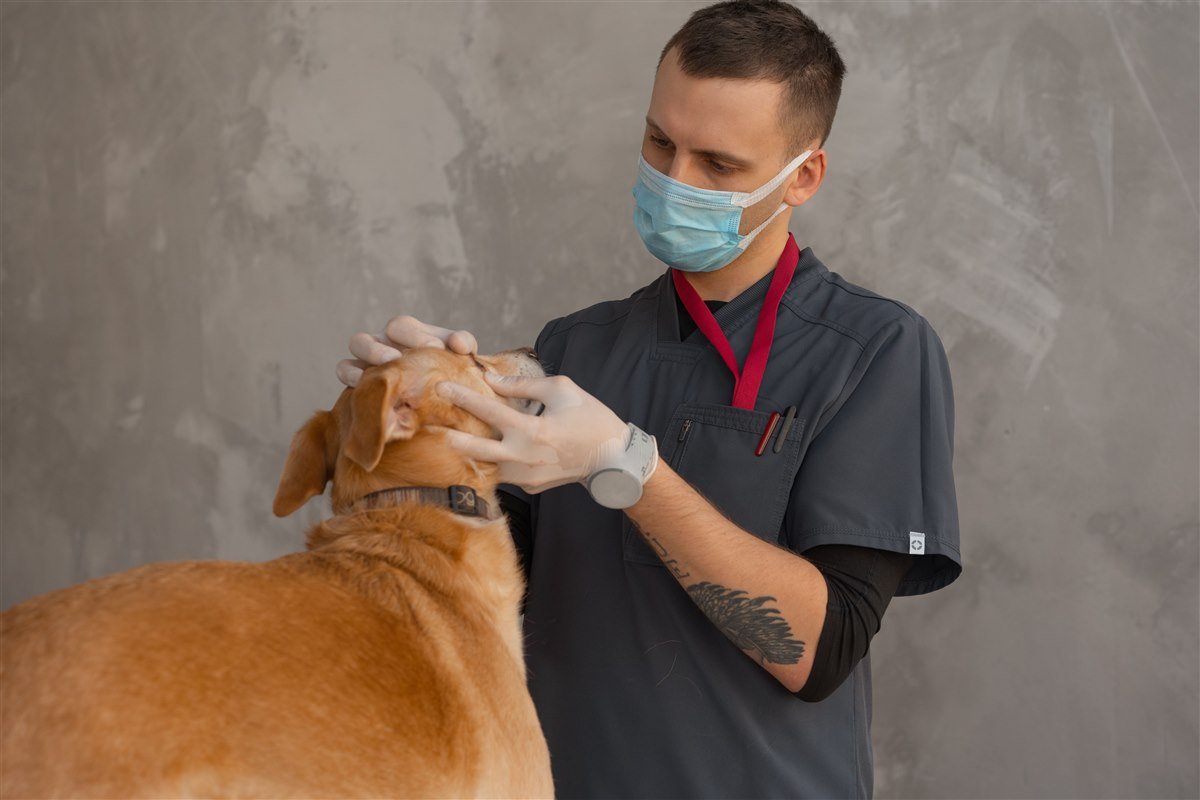
Street dogs can arrive with several health needs at once. The first step is not guessing a treatment: it is a careful examination by a qualified veterinarian.
Common parasites
Fleas and ticks can irritate the skin and, in some circumstances, contribute to more serious illness. Intestinal parasites may affect digestion and weight. Signs such as persistent scratching, visible parasites, a dull coat, diarrhea, or weight loss deserve a veterinary assessment.
Products and doses depend on the dog's age, weight, health, and local risks. Some medications are unsafe for certain animals or when used incorrectly. A veterinarian can recommend testing, treatment, and a prevention schedule suited to the individual dog.
The first veterinary visit
A rescue intake may include an examination, parasite assessment, wound care, vaccination planning, and discussion of nutrition. Medical records should travel with the dog and be explained to an adopter or foster caregiver.
Vaccine timing and travel requirements vary. A veterinarian should determine what is appropriate for each dog and destination; do not assume a single schedule applies to all rescues.
Food, rest, and behavior
A malnourished dog may need a gradual feeding plan and monitoring. Sudden changes in food or large meals can cause problems. Quiet shelter, clean water, and a predictable routine are as important as medicine.
Fearful behavior can be part of recovery. Give the dog space and work with qualified, reward-based professionals when additional behavioral help is needed. Progress may not follow a fixed timeline.
Good care is individualized: assess, treat, monitor, and adjust.
For future adopters
Ask for the complete medical history, vaccination and parasite-treatment records, current medications, any follow-up appointments, and dietary guidance. Arrange a local veterinary visit soon after arrival. Continue routine preventive care with your own veterinarian.
This article is general educational information, not a diagnosis or a substitute for veterinary advice. If a dog is injured, very weak, unable to breathe normally, or showing sudden severe symptoms, seek urgent veterinary care.